
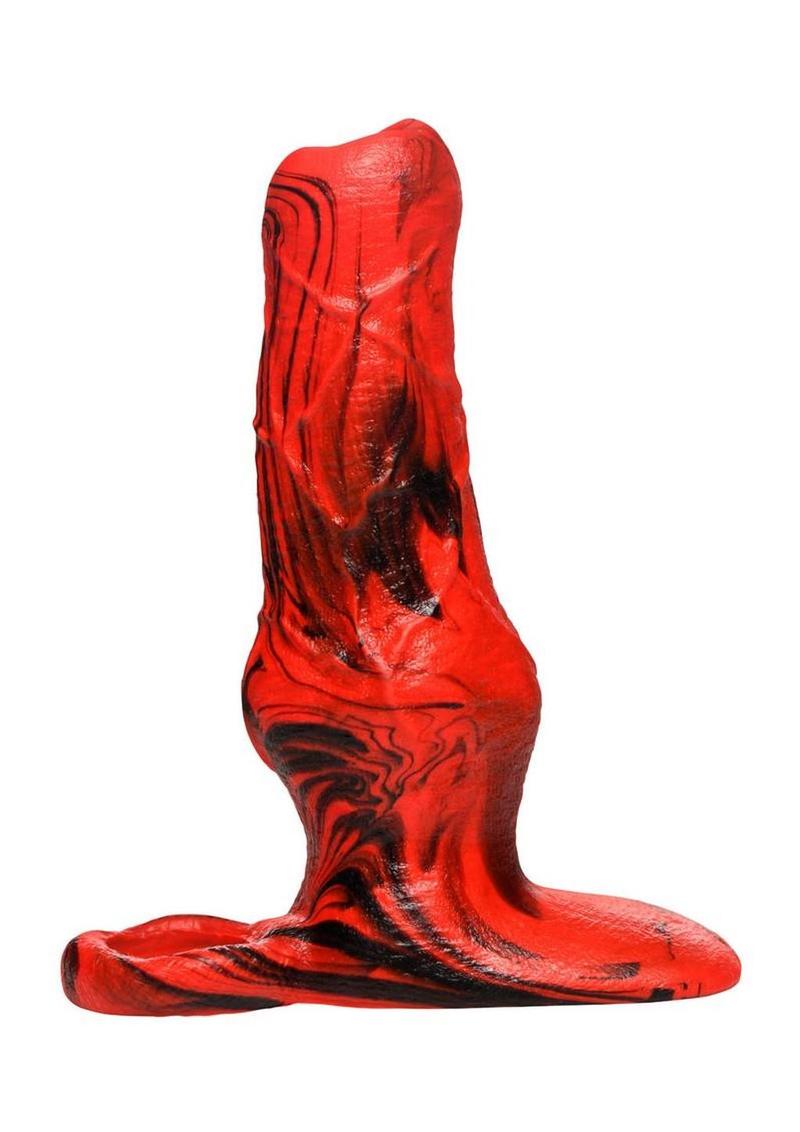
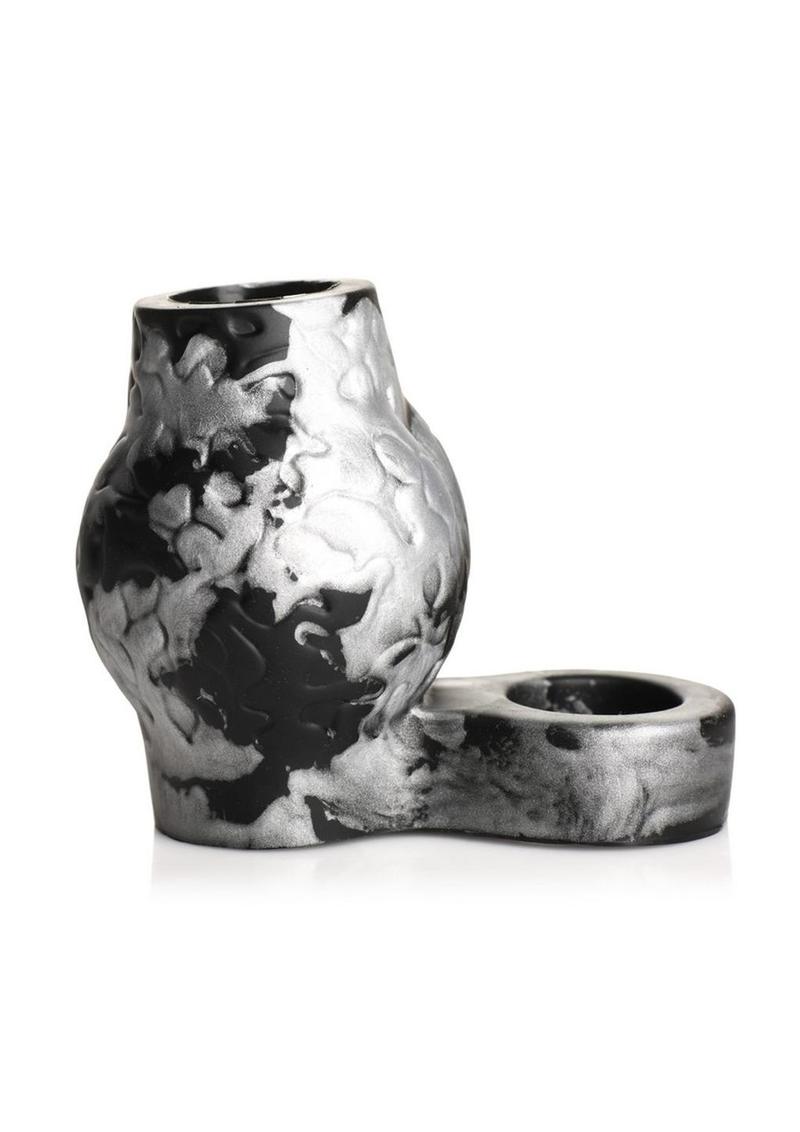
Start with the label, not the number
A product listing can contain overall length, insertable length, outside diameter and internal diameter. These are different measurements. Overall length describes the full object. An internal diameter describes a particular opening or channel as listed by the seller. One number should not be substituted for another. Our comparison table preserves the source label so that a compact-looking product does not automatically become a fit recommendation.
Check whether the number belongs to a variant
A listing may describe several sizes in one description. When multiple measurements appear under the same label, our table sends you back to the original listing rather than assigning a single number to every variant. Before purchasing, select the intended option and read the measurements associated with that option. A size called “large” on one product does not establish equivalence with “large” on another.
Use conversion to compare units, not to predict fit
The desk’s converter translates inches and centimeters using 1 inch = 2.54 centimeters. It does not estimate stretch, pressure, comfort or a suitable personal size. Those characteristics are not established by a product photograph. Material names alone also do not establish a stretch range. If the source omits a fit-critical detail, obtain it from the store or manufacturer before deciding.
Keep a short purchasing checklist
Record the exact product and variant, the explicitly labeled inside measurement, the overall length, the material statement and the manufacturer’s instructions. Confirm current price and availability in the store. The result is a smaller, better-documented shortlist—not a claim that a particular sleeve will fit everyone.